class 2 vs class 3 casino game Understanding the Differences Between casino game Classifications
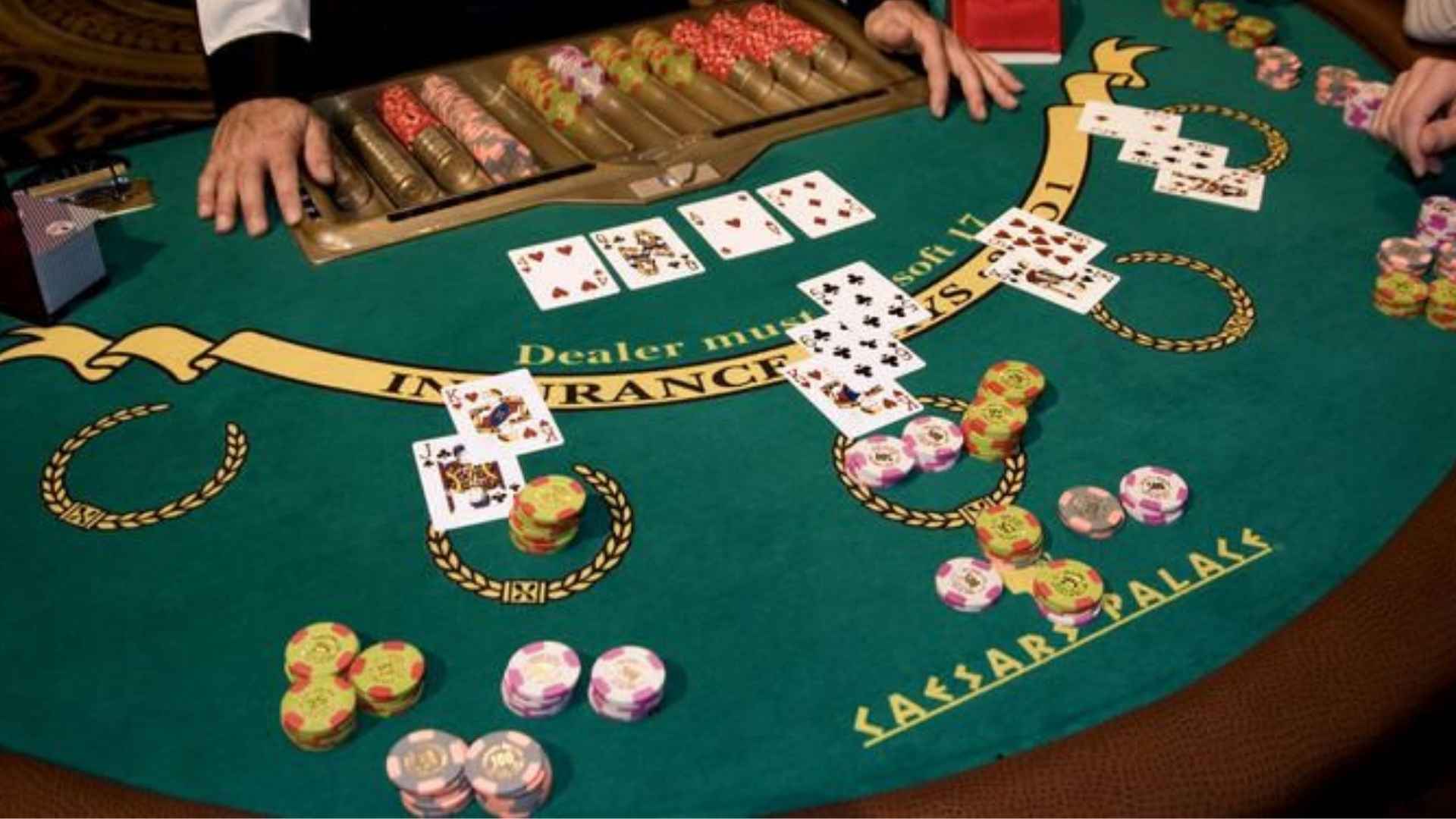
Navigating modern gaming venues often reveals subtle technical distinctions in how different electronic machines and table options operate. Understanding the distinction between Class II and Class III gaming setups helps players recognize how outcomes are generated behind the screens. These regulatory and technological categories shape everything from game mechanics to regional availability across tribal and commercial properties.
Defining Class II Gaming Mechanics and Bingo Foundations
Class II gaming is defined primarily by its connection to bingo-based logic and player-versus-player prize pools. Instead of competing directly against the house, players are participating in a shared draw system where numbers are matched electronically across a connected network.
The spinning reels on a Class II machine serve as a visual entertaining display of the underlying bingo card results. Because the outcome depends on an electronic bingo draw, the speed of play and pool distribution operate under unique federal standards.
Defining Class III Gaming and Independent Random Number Generators
Class III gaming encompasses traditional Vegas-style slot machines, roulette wheels, and house-banked table offerings. These games rely on independent Random Number Generators (RNGs) embedded within each individual machine terminal.
Every spin or hand in a Class III environment is an isolated event with outcomes determined instantly upon triggering the game. Players looking for global platforms or traditional casino floors often encounter Class III mechanics or digital alternatives through online venues like m88 slot for diverse gaming experiences.
Key Differences in Game Odds and Operational Regulations
The primary difference between these classifications lies in how probability and mathematical house edges are calculated. Class II outcomes depend on how many participants are active in the electronic bingo pool, whereas Class III odds remain fixed based on pre-programmed algorithms.
Regulatory frameworks also set these categories apart, as Class II games fall under tribal jurisdiction and federal oversight without requiring state compacts. Conversely, Class III operations typically demand formal state-level agreements and specific legislative approval.
How to Identify Game Types on the Casino Floor
Spotting the difference between Class II and Class III machines on a venue floor is simple once you know what visual details to look for. Class II electronic cabinets almost always display a small rectangular bingo card grid on the screen during play.
Class III terminals omit bingo displays entirely, presenting direct paytables and reel animations without additional overlay graphics. Recognizing these visual markers enables visitors to understand the underlying technology driving their gaming choices.