Comparing Poker Applications Based On Their Design Quality
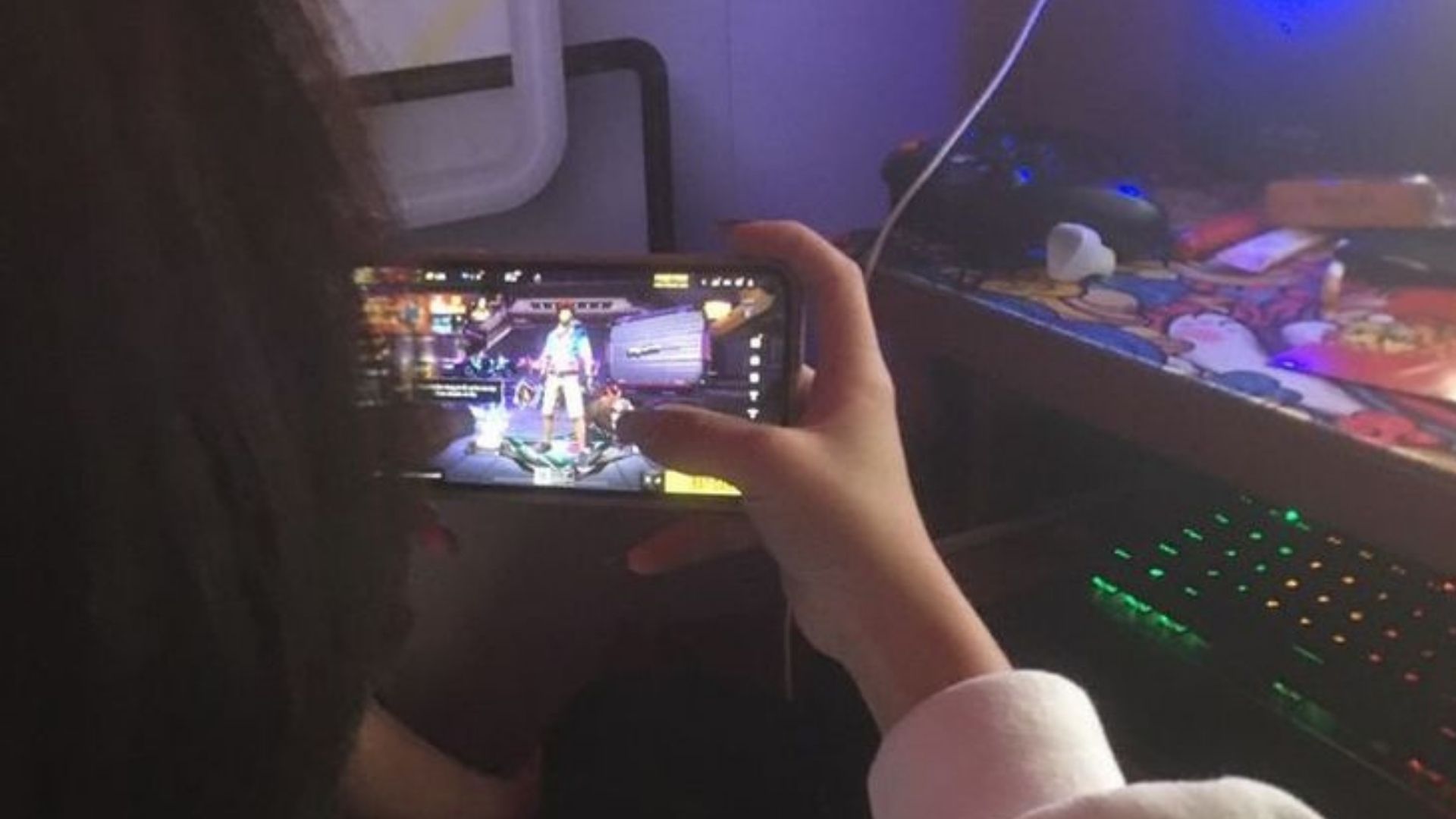
Evaluating the visual and structural layout of digital card rooms is an essential practice for players seeking a seamless competitive environment. The aesthetic choices and navigational architecture of these applications directly influence how long an individual can stay focused without suffering from visual fatigue. When comparing platforms side by side, discerning enthusiasts prioritize clean data presentation and intuitive configurations over basic promotional features.
The Core Elements of Visual Ergonomics
High-quality poker software minimizes cognitive strain by utilizing optimized text colors and balanced contrasts. Studies show that structured layouts and specific background themes can reduce operational human error by nearly thirty percent during high-workload sessions. By organizing action elements logically, developers help players make accurate decisions under extreme time constraints.
Furthermore, an interface that reduces unnecessary animations ensures that key statistics like pot sizes and current bet levels remain completely transparent. Many players transition between modern platforms to find a layout that complements their multi-tabling routines. Exploring interactive hubs such as the boss29 slot layout allows players to observe how modern developers implement responsive menus across various dynamic ecosystems.
Navigational Flow and Table Customization
A primary indicator of design quality is how effortlessly a user can transition from the main lobby into an active game session. Cluttered columns and slow sorting filters create administrative friction that drains mental energy before the action even begins. Premium applications resolve this issue by integrating advanced, single-click toggle filters that isolate preferred stakes instantly.
Additionally, table customization settings play a monumental role in protecting a player's spatial orientation across complex grid layouts. Features like preferred seating and customizable card designs center your visual focus, eliminating confusion when managing numerous active tournament windows. When software design prioritizes user interaction, it reduces mechanical friction and protects your long-term tactical edge.
Cross Platform Adaptability and Performance Metrics
Modern card enthusiasts demand that software operational stability remain perfectly consistent across desktop computers, tablets, and smartphones. Adapting complex multi-table graphics to compact mobile interfaces requires significant technical prowess and responsive frameworks. Top-tier platforms implement dynamic scaling properties to prevent accidental folds or misplaced wagers caused by tiny virtual buttons.
Ultimately, a deep look into application aesthetics reveals that structural reliability and visual clarity form the backbone of modern digital entertainment. Regular code refinement ensures that database transitions remain instantaneous during peak traffic windows. Choosing a poker platform built on human-centered design principles naturally guarantees a more secure, comfortable, and productive competitive journey over extended periods.