Learning Probability Through Engaging Gameplay
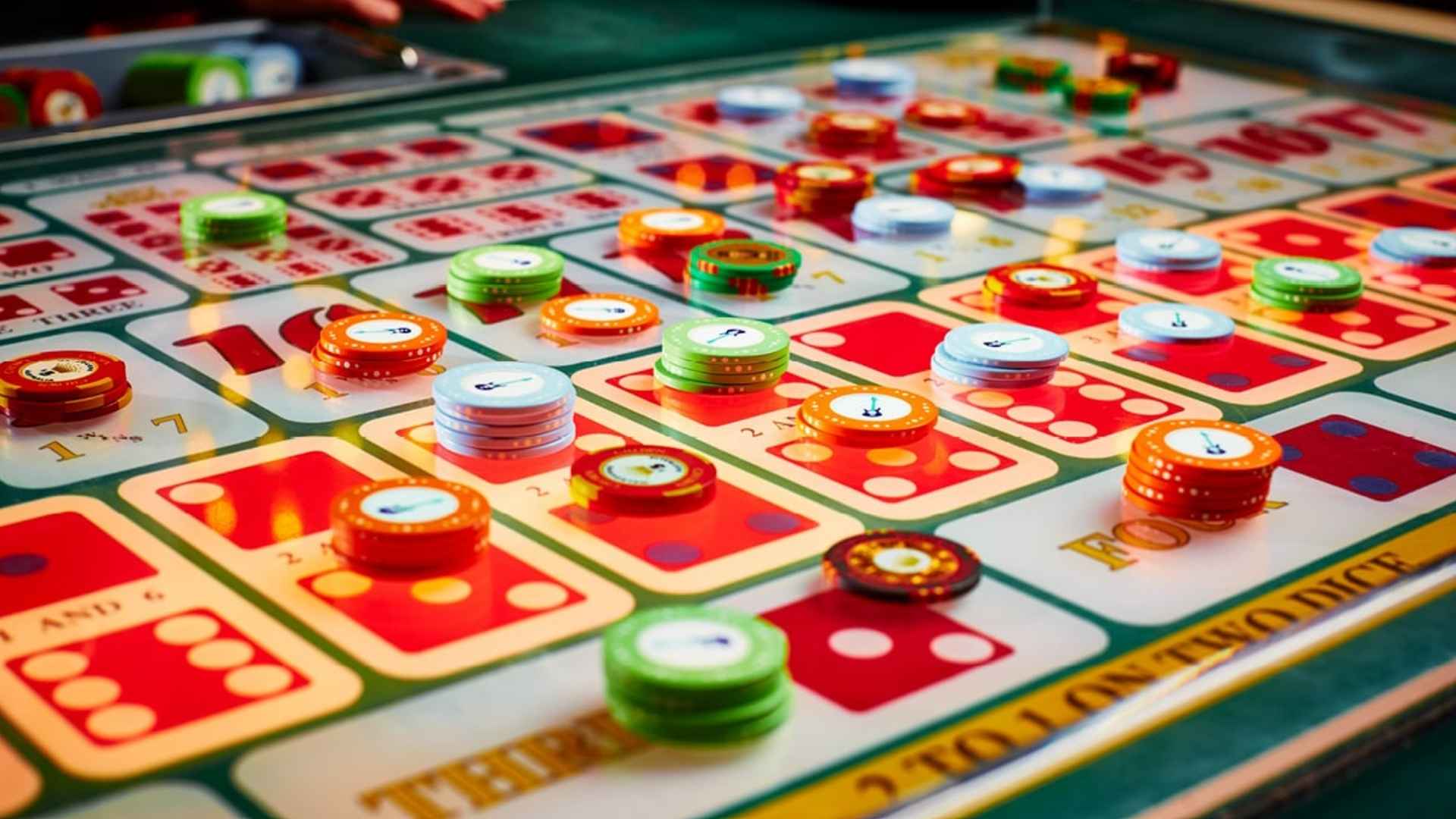
Mathematics is frequently perceived as an abstract discipline confined to textbooks and theoretical formulas, making it difficult for many students to grasp effectively. However, integrating interactive challenges into the educational framework transforms these static numbers into dynamic, hands-on experiences. By actively exploring statistical concepts through structured play, individuals can cultivate a more intuitive understanding of risk, chance, and logical calculation.
The Shift from Rote Memorization to Active Play
Traditional learning methods often rely heavily on memorizing complex equations, which can alienate students who struggle with abstract thought. Gamification offers an excellent alternative by embedding mathematical probability into real-time decision architectures. This interactive approach helps participants move past initial intimidation and start analyzing real data trends naturally.
When individuals face predictable options combined with elements of chance, they develop stronger cognitive agility and reasoning skills. Educational simulations challenge players to evaluate potential outcomes dynamically rather than relying on standard guesswork. This mental transition from emotional reaction to analytical evaluation is vital for long-term intellectual growth.
Understanding Independent Events Through Digital Mechanics
Modern online environments provide a fantastic platform for observing how random number generation functions under strict mathematical rules. By participating in digital simulations, users can track statistical variance over hundreds of fast-paced rounds. This continuous visual feedback makes abstract concepts like independent and dependent events much easier to comprehend.
Exploring diverse platforms allows students to analyze how technology replicates real-world randomness with high fidelity. For instance, individuals looking to explore structured digital systems might visit a secure portal like login situs m88 to observe modern choice configurations. Witnessing these random variables in action helps bridge the gap between classroom theory and practical electronic platforms.
Developing Strategic Thinking and Risk Management
Probability-based activities offer more than simple entertainment; they serve as critical tools for improving real-world risk management capabilities. Every move made in a calculated environment forces participants to weigh potential rewards against the likelihood of negative outcomes. Over time, this consistent mental exercise fosters a healthy familiarity with uncertainty and balanced decision-making.
Fleshing out a personal strategy requires patience, steady observation, and a willingness to adapt to unpredictable situations. By calculating baseline odds during active gameplay, individuals learn to minimize the influence of variance on their long-term performance. This structured discipline helps people manage expectations effectively across various professional and daily scenarios.
Practical Tips for Integrating Gameplay Into Education
Educators and parents can easily introduce basic probability concepts by using simple tools like traditional dice and card challenges. The key is to focus on tracking the frequency of specific results over time rather than trying to guess the immediate next outcome. This basic exercise highlights the law of large numbers in an accessible, highly engaging manner.
Ultimately, maintaining a balanced perspective ensures that these interactive exercises remain both educational and highly rewarding. By setting clear boundaries and encouraging curious analysis, learners can safely explore the laws of likelihood. Embracing structured entertainment transforms a daunting academic subject into a lifelong passion for analytical thinking.